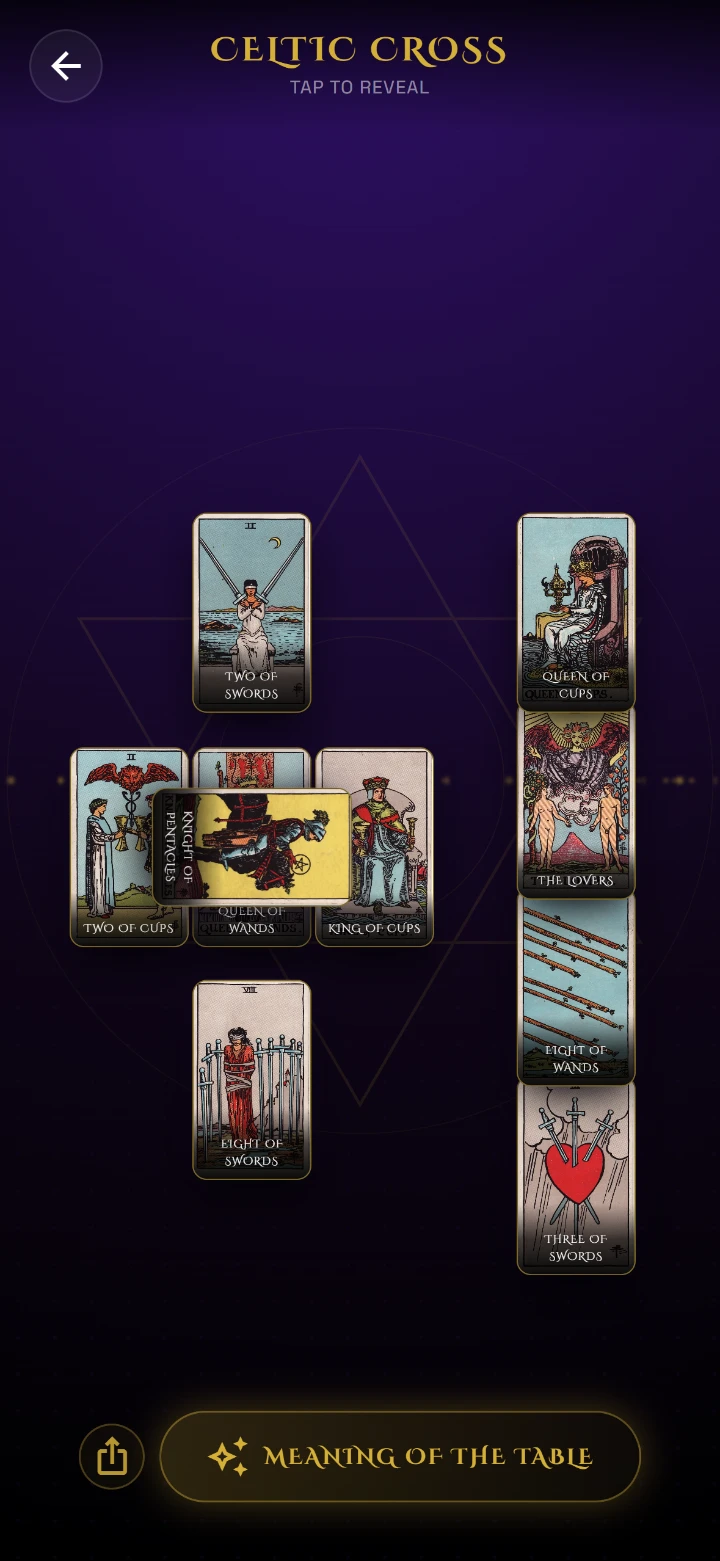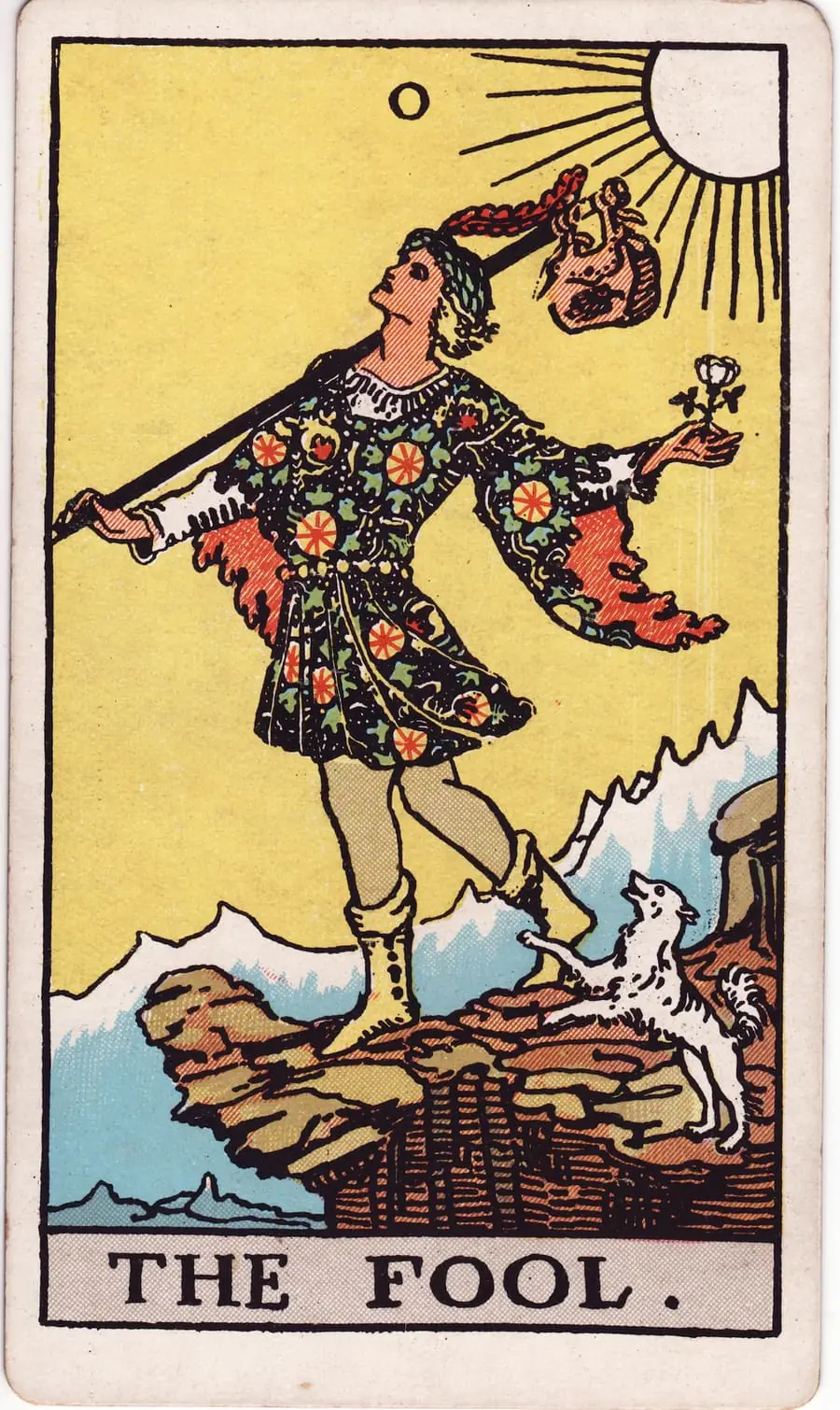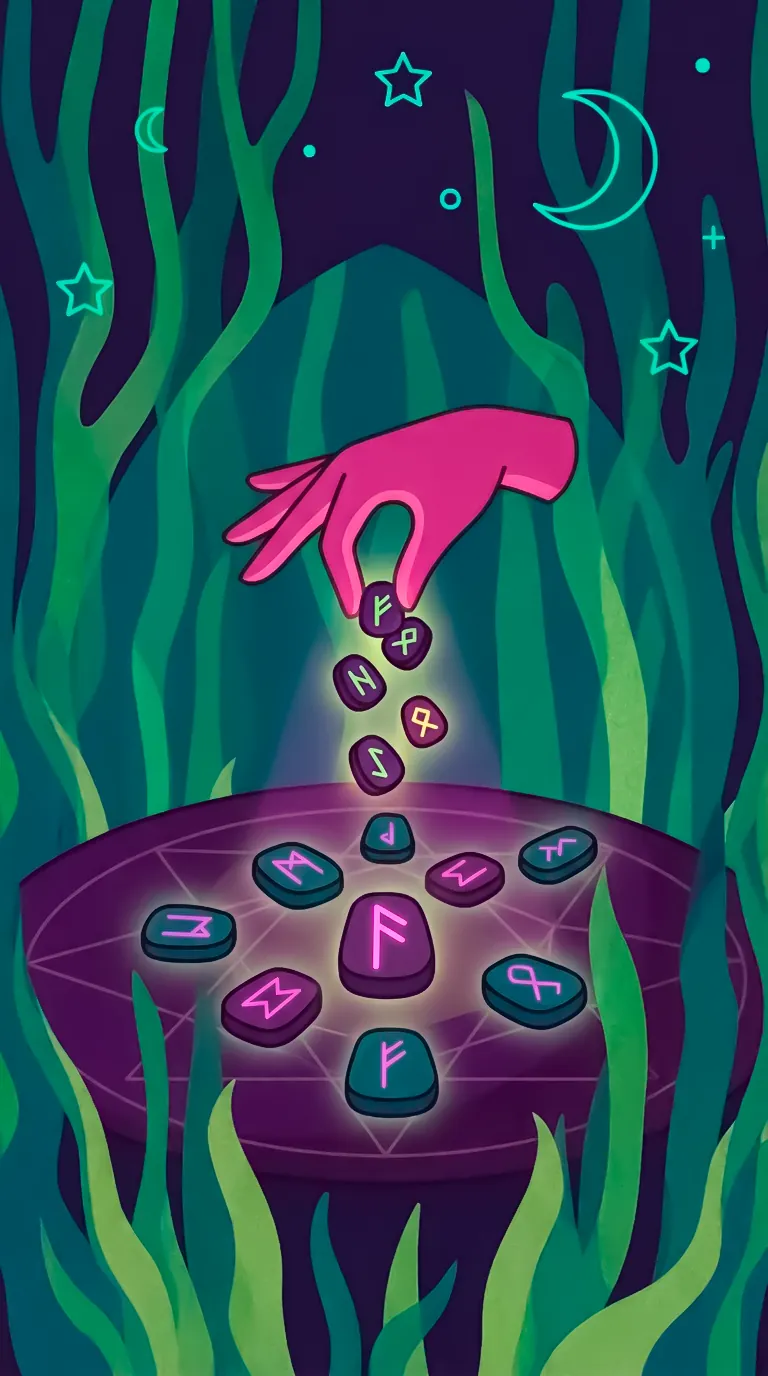
The word occultism can bring very different practices into the same conversation. Tarot, astrology, rune reading and the I Ching do not share a single origin or method. Comparing what each practice actually does is more useful than treating them as interchangeable.
Tarot works with cards and positions
A tarot reading combines card imagery with the question and the structure of a spread. The history of tarot includes card games; modern esoteric uses should not be projected backward as the only original purpose.
Astrology interprets a chart
Astrological interpretation works with celestial positions organized for a time and place. A birth chart is not a card spread, and a general horoscope does not contain the same information as an individual chart.
Rune reading uses signs from writing systems
The historical use of runes as writing needs to be distinguished from modern divinatory associations. Learn which runic alphabet a guide uses and what kind of source supports its claims.
The I Ching works with hexagrams
An I Ching consultation builds a six-line hexagram and uses a textual tradition of interpretation. Changing lines are part of its structure. Its language and history should not simply be renamed as tarot meanings.
Choose a tool by the practice you want
Start with one method and learn how it frames a question. Oraculum places these tools in one app, but each keeps its own reading structure. Their shared use here is reflection, not a claim that every tradition says the same thing.
Choose a tool by the structure of your question
If you want to explore an image and relate it to a situation, tarot offers a visual starting point. A rune presents a more concise sign with a name and associations. I Ching organizes a consultation through lines and a text concerned with change. Astrology begins with positions calculated for a time and place rather than a random draw. These differences help you choose by curiosity and method without declaring one tool superior. A broad question such as “what is happening to me?” can produce an equally vague reading with any of them. Define a situation, a scope for reflection and what depends on you. Choosing an oracle does not replace that initial work.
Compare interpretations without seeking confirmation
Using several tools for the same question may produce interesting associations, but it also makes it easier to select only the result you like. If you want to compare them, define each practice’s role beforehand and record the order of consultation. Agreement between two broad interpretations is not independent confirmation of a fact. Ask what each method added specifically and what remains unanswered. Sometimes the useful conclusion is that you need a conversation, a verified piece of information or more time observing the situation. The purpose of recording is to make your reasoning visible, including doubts, rather than to build a story in which all symbols must agree.
Recognize an explanation worth your attention
Look for a clear account of the data, method and limits. Tarot content should identify the deck structure it discusses; a rune guide should name the alphabet; an I Ching reading should explain line construction; a chart should state its relevant settings. Be wary of promises that turn uncertainty into a guarantee or demand urgent payment to avoid a consequence announced by the reader. Oraculum proposes reflection as a way to use these tools. That does not require reducing the traditions to one language or claiming their entire histories are summed up by the app’s present use. The website offers an introduction; the full experience is developed in the application.
Should I combine all four in one session?
You can explore more than one practice, but beginning with a single method makes its structure easier to understand. Keep notes on which interpretation came from which tool.
Historical reference: A history of tarot cards · V&A
For reflection and entertainment. Readings do not guarantee outcomes or replace professional advice.